Latest News

Optimizing Thermal Performance in Fenestration: Choosing the Right Polyurethane System

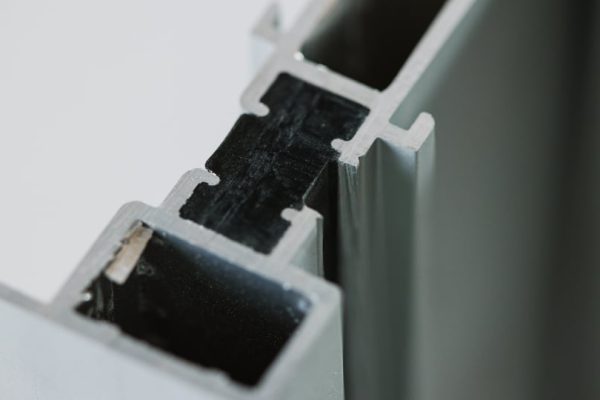
The case for polyurethane over polyamide in aluminum fenestration is well established: lower thermal conductivity, higher shear and tensile strength, and a manufacturing process that eliminates strut inventory. What often gets treated as a single material choice, however, is actually a range of systems. Solid polyurethane and polyurethane foam serve different structural and thermal requirements,…

Thermal Break Manufacturing Explained: Polyurethane Pour & Debridge vs. Polyamide Struts

Aluminum framing remains the structural backbone of modern commercial fenestration, but without a thermal break it becomes a direct path for heat flow. The primary approaches used today, polyurethane pour-and-debridge (including solid and structural foam systems) and polyamide strut thermal barriers, achieve thermal separation in fundamentally different ways. For aluminum extruders, window fabricators, and product…

Azon Named One of the “Best Companies to Work For” by US Glass Magazine

Kalamazoo, MI – Azon, a Kalamazoo-based manufacturer of thermal barrier technologies for the aluminum fenestration industry, has been recognized as one of the “Best Companies to Work For” in the US metal and glass industry by US Glass magazine. The honor is featured in the September issue of the national publication. Founded and headquartered in…

Beyond the Bottom Line: How Sustainable Design is Redefining Affordable Housing

The convergence of climate resilience, energy affordability, and public health is fundamentally reshaping affordable housing development. As architects, developers, and policymakers abandon the false economy of lowest upfront costs, they’re embracing a lifecycle approach that prioritizes sustainable materials and superior thermal performance. From innovative concrete alternatives and recycled steel to hemp-based insulation and mass timber…

How Energy-Efficient Windows Help Commercial Buildings Qualify for Tax Credits and Incentives

Energy-saving windows play a significant role in helping commercial buildings qualify for various tax credits and deductions. Here’s how energy-efficient windows contribute to tax credits for commercial buildings.

Understanding the Difference Between Solid Polyurethane and Polyurethane Foam in Thermal Break Technologies for Fenestration

In the world of commercial building design, energy efficiency is a top priority. With the increasing emphasis on sustainability and reducing operational costs, the choice of materials in fenestration plays a critical role in achieving these goals. Thermal break technologies, which prevent heat transfer through window and door frames, are key to improving the energy performance of commercial buildings. Among the most effective materials used in these applications are solid polyurethane and foam polyurethane, both of which offer superior performance compared to traditional polyamide in terms of thermal conductivity and U-factor.

The Crucial Role of Thermal Barriers in Mitigating Operational Carbon Emissions in Commercial Buildings

In the realm of sustainable building practices, the spotlight often falls on reducing upfront carbon emissions through eco-friendly materials and construction methods. However, the ongoing operational carbon output of commercial buildings tends to linger unnoticed. Addressing this oversight is crucial, and fenestration system thermal barriers emerge as indispensable allies in the quest to lower operational carbon emissions.

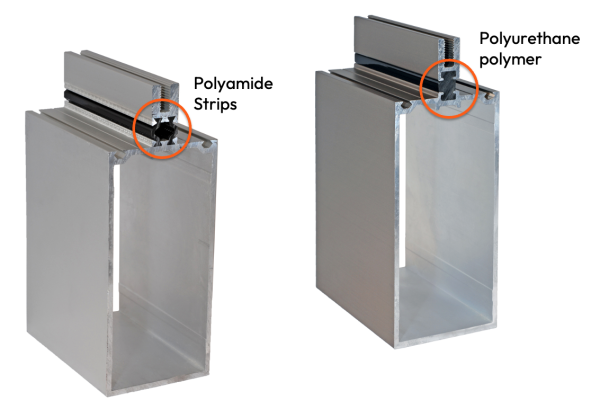
Polyamide vs. Polyurethane Thermal Barriers

The US Department of Energy reports that windows account for nearly 40% of energy loss in commercial buildings. To improve the overall energy efficiency of a building and adhere to increasingly stringent energy codes, the use of thermally broken aluminum window fenestration has become a standard practice.

Muessig_Patrick

Azon Announces Promotion of Patrick Muessig to President

Kalamazoo, MI, February 27, 2024– Azon, a leading thermal barrier technology company, is pleased to announce the promotion of Patrick Muessig to the position of President. In his new role, Muessig will lead Azon’s focus on innovation and operational excellence.